Lifetime plan or a short subscription? A practical way to choose a course you will actually finish.
Every January and September, language apps compete hard for new learners, and the discounts can be generous. The trick is knowing which plan suits the way you actually study, so you do not pay for a lifetime of lessons you abandon in week three.
Start with how you learn
- Short daily sessions: app-based courses with ten to fifteen minute lessons are easiest to stick with.
- Speaking first: look for speech recognition and dialogue practice rather than only flashcards.
- Structured grammar: a course that builds lesson by lesson suits learners who want to understand the rules.
Try short before you commit long
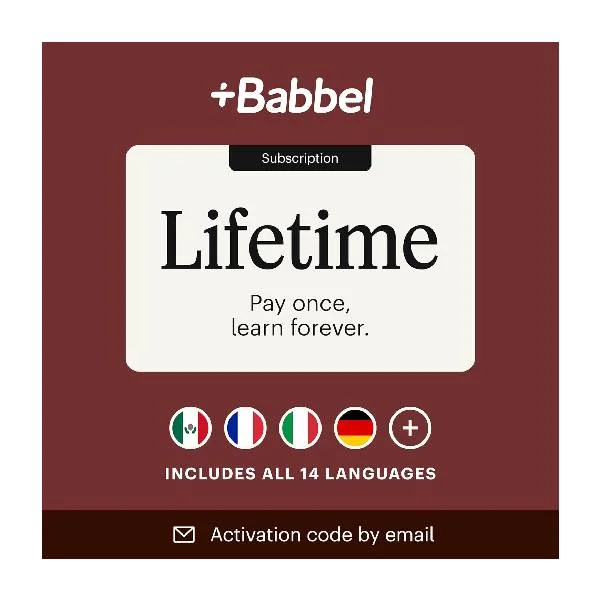
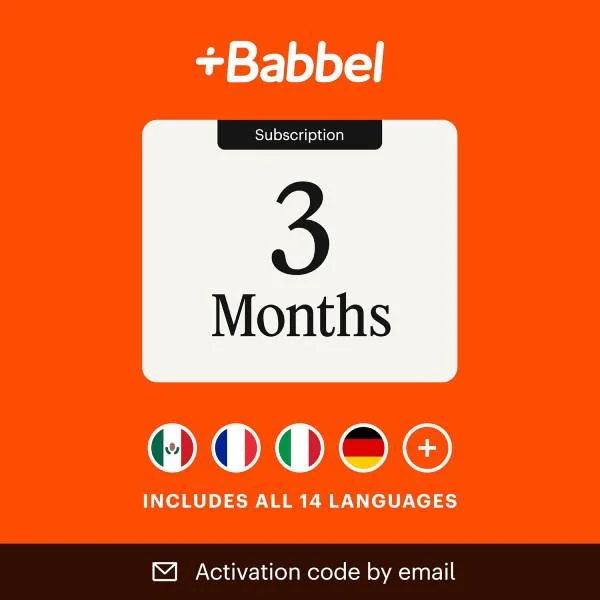
A three-month plan is the cheapest way to test whether an app fits your routine. If you are still opening it every day after a month or two, a lifetime plan usually works out far cheaper per year than renewing monthly.
Compare the real cost
| Plan type | Best for | Watch out for |
|---|---|---|
| Three months | Trying a new app or a holiday trip | Automatic renewal at full price |
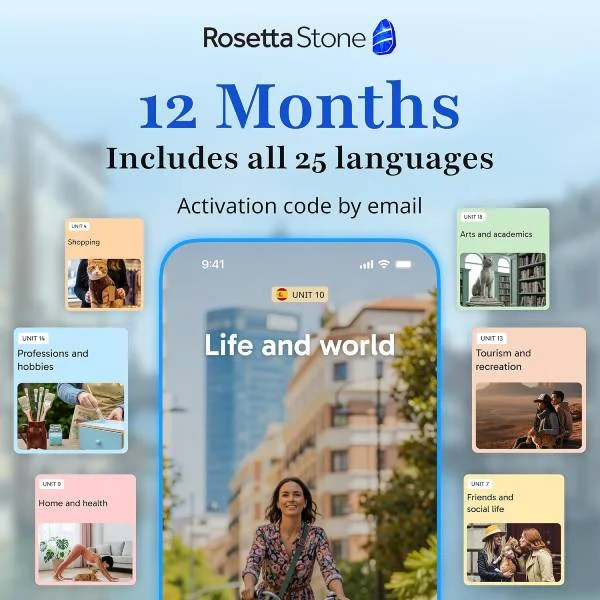
| Twelve months | A clear goal like an exam or a move | Paying for months you skip |
| Lifetime | Long-term learners and several languages | Check how many languages are included |
Protect the device you study on
If you learn on a laptop or tablet, it is worth running reputable security software. A suite that covers several devices is often cheaper than separate licences for each one.
Our tips for a better deal
- Check whether a plan renews automatically and set a reminder before it does.
- Use a first-order code such as DEAL10 on software codes, which are delivered by email.
- Remember that activation codes are final sale once delivered, so pick the right language first.
Standard shipping is free on orders over $60. Express orders placed by 1 pm CT arrive in about 2 business days.